We are a young, proudly Argentine company, composed of professionals from multiple disciplines, with extensive experience in the field of the military and security industry, both national and international, dedicated to the development of defense systems, connecting industry sectors, and capitalizing on the experiences that are generated day by day, in the various conflicts around the world, to anticipate security needs in the face of the most innovative threats and advise those who defend the freedom of their peoples
Permanently manage through our different areas, the development of systems that allow through innovation, maintain an initiative and trend, which can contribute as tools for national defense

We develop operational management systems, for the control of different weapons systems, countermeasures, cyber defense, etc.
We design different materials for defense, from personal protection systems, to weapon systems and updating mechanisms
We leverage the current experience of multiple and innovative threats on the modern battlefield for our training systems
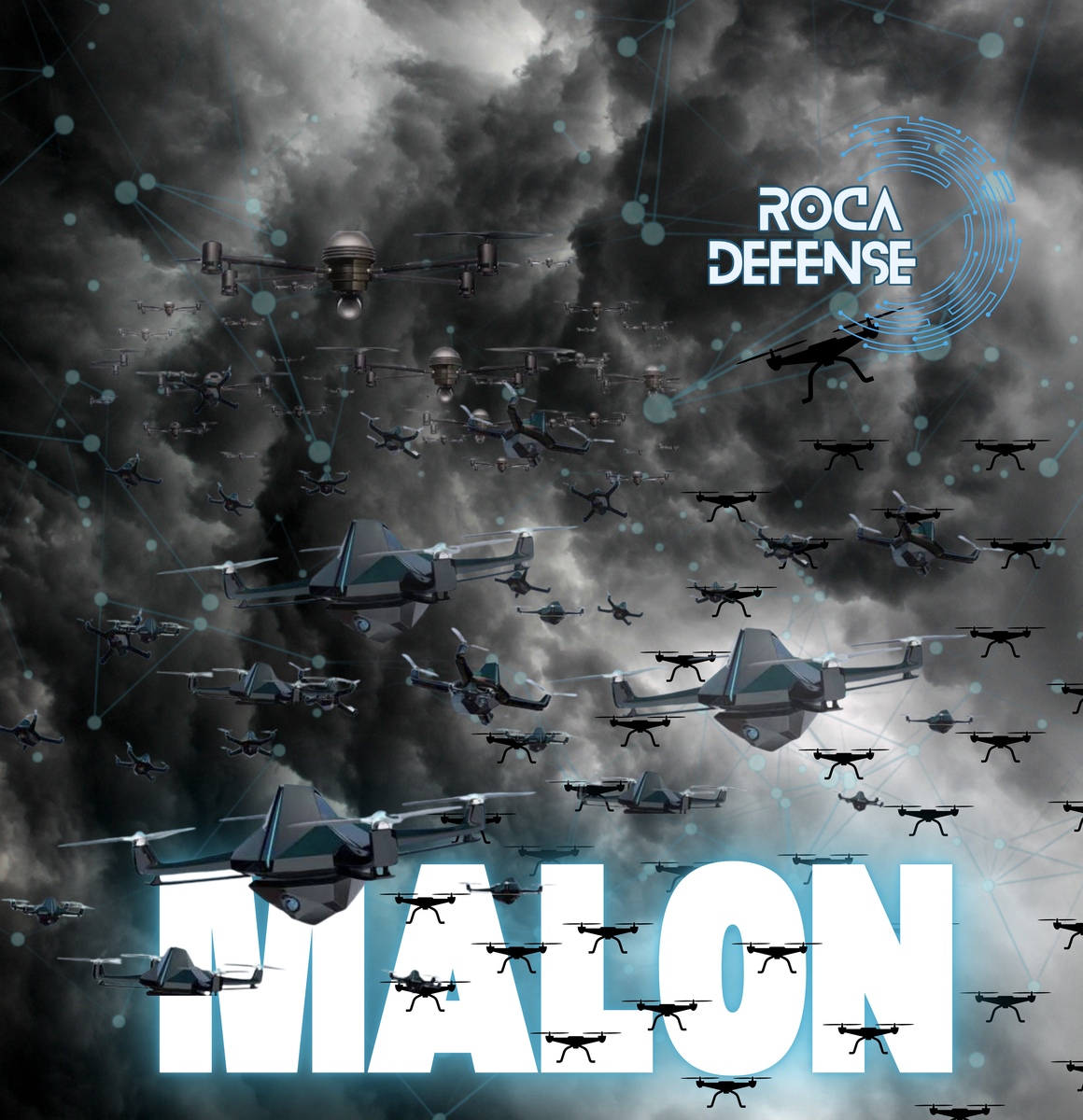
General Julio Argentino Roca was an Argentine soldier and politician who served as president of the Argentine Republic on two occasions (1880-1886 and 1898-1904). He is known for his role in the "Desert Campaign", a series of military operations aimed at the conquest and occupation of indigenous territories that were controlled by "malones" who came from the other side of the mountain range and attacked both settlers and indigenous peoples, killing men, kidnapping women and children and stealing cattle, in present-day Argentine Patagonia.
He was born on July 17, 1843 in Tucumán, Argentina, and died on October 19, 1914 in Buenos Aires. Roca excelled in his military and political career, and his leadership in the Desert Campaign was fundamental to the territorial expansion of Argentina.
General Julio Argentino Roca played a fundamental role in Argentine history, especially in the formation of the national territory. His leadership in the Desert Campaign (1878-1885) allowed the expansion of the Argentine border towards Patagonia, incorporating vast territories that were previously controlled by the "Malon" composed of violent indigenous people and looters on the other side of the mountain range (present-day Chile).
This campaign had a significant impact on the history of the country, since it allowed the expansion of agriculture, livestock and the exploitation of natural resources in these regions.
General Julio Argentino Roca also stood out as a politician, implementing policies that sought to modernize and unify the country. During his presidency, he promoted public education, European immigration and infrastructure construction.
The impact of General Julio Argentino Roca's policies on today's Argentine society is complex and controversial. But its role in the territorial expansion and consolidation of the Argentine State is recognized, which allowed the economic growth and modernization of the country.
OUR DEVELOPMENTS
The ONA system, is a "Nudriza" type system of maritime navigation, unmanned, long distance, with a maximum autonomy of 36 hs., which through satellite positioning, are established in the patrol coordinates and the registration points, by an operator on land, or from a command ship, of the ONA system, a maximum of 40 independent unmanned systems are deployed, (normally 20 charge batteries, and 20 register), whose main mission is the patrolling and registration of ships operating in the exclusive economic zone, and the secondary missions, can be, search and alert SAR, detection and early warning, stealthy attack and sabotage, etc.
The modernization prototype of the VLEGA GAUCHO, to the GAUCHO 2 standard, which consists of the installation of a main weapon support kit, lateral defense armament, "anti-puncture" tire system improvements in the suspension kit, to increase the maximum load to +3.5TON of passengers and useful load, GPS navigation system, with route marking and checkpoints, strobe position reading system, for detection by aerial means, IFF system, UAV.s launch system, with direct retransmission to the command post. etc.
The recent spider web operation has left us the great lesson of how combat means with a lower cost ratio can cause abysmal damage to those who are not prepared to defend themselves in a very short period of time, this is how we saw that 117 FPV drones from Ukraine, with a cost of around 100,000 dollars, caused Russia over 7,000 MDD. This is an experience that must be capitalized, immediately and all countries that are not prepared to counter this level of threat are exposed to succumb without doing more.
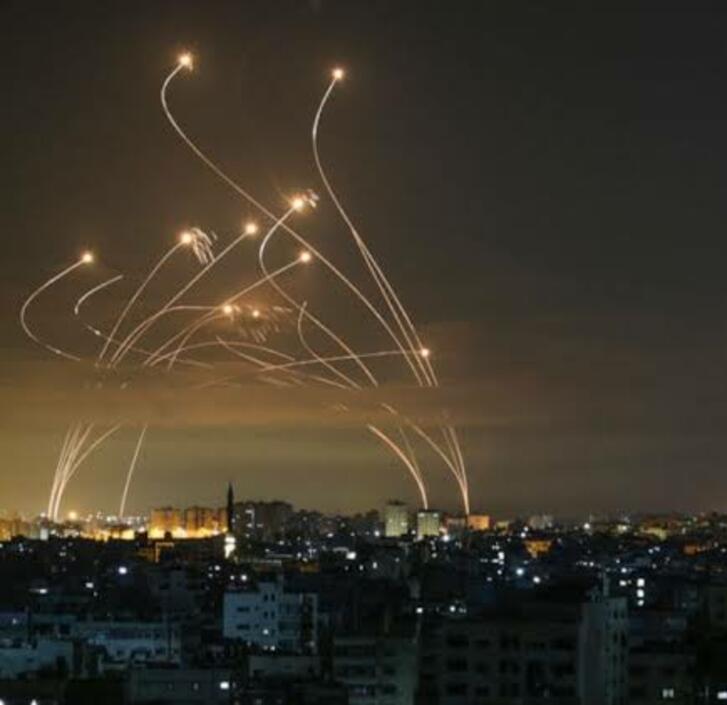
The events of recent weeks between Israel and Iran have allowed us to see two large areas of opportunity in the airspace defense systems of both contenders, first of all the importance of cyber armor in electronic warfare systems that detect and neutralize the multiple threats, given the large number of lures and countermeasures carried by missiles, drones and aircraft.
Secondly, the importance of optimizing and reducing as much as possible the cost of air defense equipment, taking into account that each flow of missiles from the "David's Wave" exceeds 28MDD per launcher. These costs are not sustainable in the long term, and today all air defense is subject to missile systems without cannon alternatives, or anti-aircraft machine guns that could help "waterproof" the airspace due to missile failures.

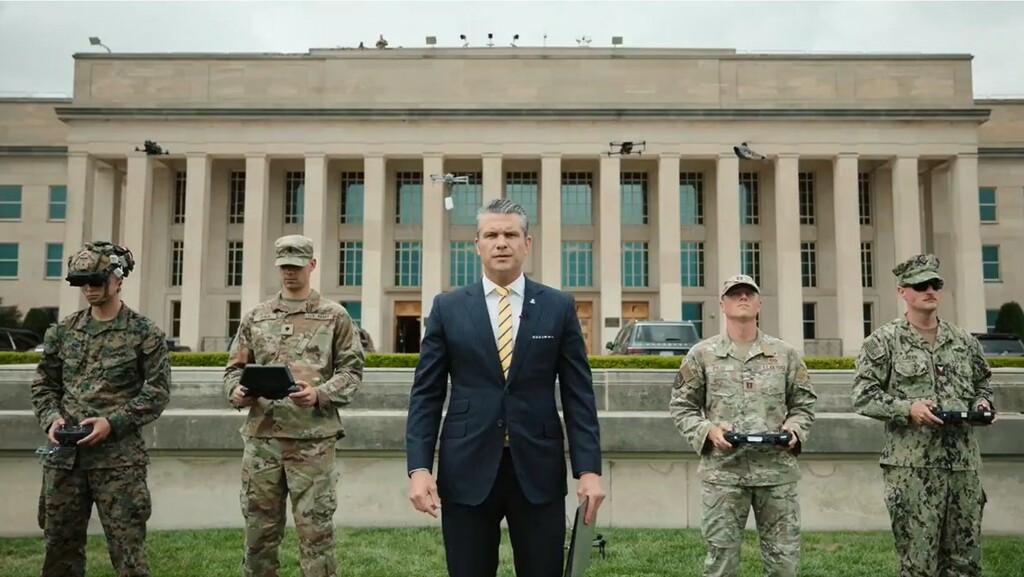
The US U.S. Defense Secretary Pete Hegseth has announced a transformative policy aimed at accelerating the production and mass deployment of drones.
This initiative marks the beginning of a new automated military era, prioritizing responsiveness and operational efficiency. This strategy seeks to modernize defensive capabilities, boosting the American drone industry through the production of thousands of "Made in America" units and arming combat units with cutting-edge technology. The vision is clear: improve the ingenuity of our engineers and AI experts to ensure strategic dominance.
In an effort to overcome bureaucratic barriers, restrictive policies that limit production are being revoked, thus encouraging greater agility in the development and implementation of advanced defense systems.
We invite industry professionals, innovators and opinion leaders to reflect on the implications of this evolution in the global security landscape. (source Corvos Group)
Contact our sales representatives in Argentina, Mexico and the USA, to meet the needs of their systems, projects or training.
Write to us at: info@rocasistems.com or complete the following form so that we can contact you as soon as possible.